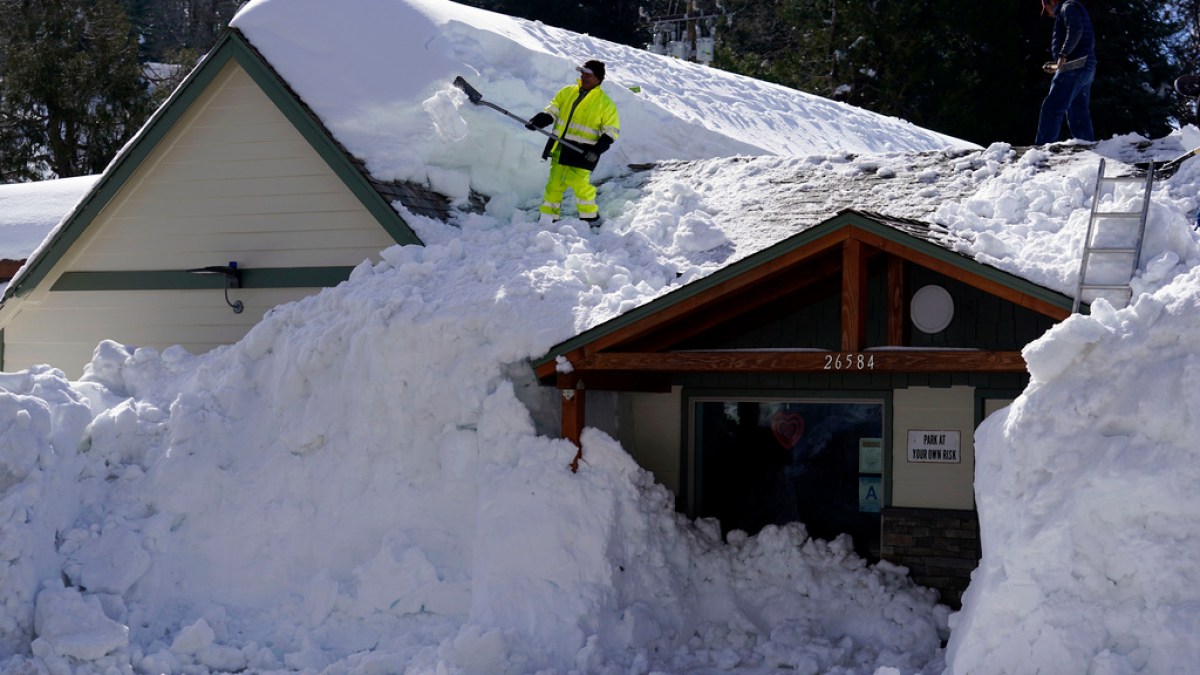
California Braces for Major Winter Storm: Snow & Wind Warnings
As a powerful winter system takes aim at the Golden State, residents and visitors across Northern and Central California are urged to prepare for a significant "california winter storm" bringing heavy snow, strong winds, and hazardous conditions. A Winter Storm Warning, issued by the National Weather Service (NWS), covers a broad swathe of 15 counties, with conditions expected to remain challenging through Friday, January 5, 2026. This event is shaping up to be one of the most impactful of the season, demanding proactive preparation from the Sierra Nevada peaks to the vulnerable coastal stretches.
The forecast paints a stark picture: snowfall totals could exceed two feet in higher elevations, particularly across the Sierra Nevada mountain range, while wind gusts are projected to reach up to 50 mph. These combined elements spell potential widespread disruption, including treacherous driving conditions, road closures, power outages, and various snow-related hazards. Beyond the immediate warning areas, the overarching threat of a "california winter storm" also brings critical considerations for coastal regions, where atmospheric rivers often deliver torrential rainfall, coastal flooding, and destructive surf, even if snow isn't the primary concern.
Understanding the Dual Threat: High-Elevation Snow & Coastal Impacts
The current Winter Storm Warning primarily targets Northern and Central California's interior and mountainous regions, where the threat of heavy snow and powerful winds is most acute. These areas are accustomed to winter weather, but the expected intensity of this system warrants heightened vigilance. Travelers heading to or from destinations like Lake Tahoe, Yosemite, or along critical mountain passes such as I-80 and Highway 50, should anticipate severe impacts. Snow accumulation will not only create impassable roads but also strain local infrastructure, potentially isolating communities.
However, a "california winter storm" is rarely confined to just one type of hazard. While the Sierra Nevada braces for feet of snow, the state's expansive coastline remains under the pervasive influence of winter storm patterns, typically from November through March. These systems are often fueled by what meteorologists call
atmospheric rivers – long, narrow corridors of concentrated moisture stretching across the Pacific. When these plumes make landfall, they can unleash extraordinary amounts of rain on coastal and lower-elevation areas, leading to:
- Flash Flooding & Urban Ponding: Even moderate rainfall can quickly overwhelm drainage systems, causing streets to become rivers and underpasses to flood.
- High Winds: Gusts can exceed 90 mph in exposed coastal areas, similar to the intensity seen in mountain passes, capable of felling trees and power lines, disrupting transportation, and damaging property.
- Coastal Hazards: High surf, significant beach erosion, and dangerous "sneaker waves" pose severe risks to anyone near the shoreline, capable of pulling people into the ocean or undermining coastal structures.
This interplay of snow in the mountains and rain, wind, and coastal hazards closer to the Pacific underscores the diverse and potent nature of a "california winter storm." The National Weather Service (NWS) issues various alerts, including Flood Watches, High Wind Warnings, and Coastal Flood Warnings, all crucial signals of imminent danger. Monitoring these alerts is your first line of defense, whether you're planning a trip to the mountains or simply residing near the coast.
Comprehensive Preparedness: Your Pre-Storm Checklist
Proactive preparation is paramount when facing a major "california winter storm." Beyond simply being aware of the warnings, taking concrete steps *before* the storm hits can significantly mitigate risks to life and property.
At Home & Property:
- Secure Loose Objects: High winds can turn patio furniture, trash cans, and other outdoor items into dangerous projectiles. Secure them indoors or tie them down firmly.
- Clear Gutters & Drains: Ensure rain can flow freely away from your home to prevent flooding and water damage.
- Emergency Kit: Assemble a robust emergency kit. This should include:
- At least 3 days' worth of water (1 gallon per person per day) and non-perishable food.
- Flashlights and extra batteries (avoid candles, which pose a fire risk).
- A battery-powered or hand-crank radio for NWS alerts.
- First-aid supplies, essential medications, and a whistle to signal for help.
- Warm blankets, extra clothing, and portable chargers for electronic devices.
- Important documents in a waterproof bag.
- Power Outage Plan: Know how to manually open your garage door. If you rely on medical equipment requiring power, have a backup plan or communicate with your provider.
- Prepare for Evacuation: If you live in a flood-prone or erosion-vulnerable area, identify and practice your evacuation routes. Coastal California Winter Storm: Essential Safety Precautions offers more detailed guidance for those in at-risk coastal zones.
For Drivers & Travelers:
- Vehicle Maintenance: Ensure your vehicle is in top condition. Check tire pressure and tread, wiper blades, fluid levels, and battery. A full gas tank is crucial, not just for travel but also to keep your engine running for warmth if stranded.
- Carry Chains: If heading to mountain areas, carry snow chains and know how to install them. Chain control laws are strictly enforced and can change rapidly.
- Stay Informed: Before and during travel, regularly check real-time road conditions using resources like Caltrans QuickMap (quickmap.dot.ca.gov). This tool provides invaluable information on closures, chain requirements, and traffic incidents.
- Pack a Car Emergency Kit: Include blankets, warm clothes, food, water, a first-aid kit, jumper cables, a shovel, and a fully charged phone with a portable charger.
Staying Safe During the Storm: Navigating Hazards
Once the "california winter storm" is upon us, informed decision-making and adherence to safety guidelines become critical.
Driving Safely:
The most dangerous place to be during a severe "california winter storm" is often on the road.
- Reduce Speed & Increase Distance: Wet or icy roads significantly increase stopping distances. Drive slowly and give yourself ample space between vehicles.
- Avoid Flooded Roads: Even shallow water can disguise hidden dangers or sweep a vehicle away. Never attempt to drive through flooded roadways. "Turn Around, Don't Drown" is a life-saving mantra.
- Respect Road Closures: Do not attempt to bypass road closures or ignore chain control signage. These measures are in place for your safety and the safety of emergency personnel.
Managing Power Outages:
With high winds expected, power outages are a near certainty for many.
- Unplug Electronics: Protect sensitive electronics from potential power surges when electricity is restored.
- Generator Safety: If using a generator, operate it outdoors in a well-ventilated area, far from windows and doors, to prevent carbon monoxide poisoning.
- Stay Away from Downed Lines: Assume any downed power line is live and extremely dangerous. Report it immediately to your utility company and stay at least 30 feet away.
- Conserve Heat: Dress in layers, close off unused rooms, and avoid opening refrigerators or freezers unnecessarily to preserve cold.
Coastal Zone Specifics:
Even without heavy snow, coastal regions face distinct threats.
- Stay Away from Beaches & Piers: During high surf, "sneaker waves" can appear suddenly and with immense force, sweeping people off beaches or jetties. Ocean conditions can be unpredictable and deadly.
- Monitor Tides: Be aware of high tide cycles, which can exacerbate coastal flooding and erosion, especially during storm surges.
For more detailed guidance on handling various storm-related challenges, including specific advice for managing floodwaters and prolonged outages, refer to
Navigating California Winter Storms: Flooding, Winds, & Outages.
Conclusion
The "california winter storm" bearing down on the state represents a significant challenge, requiring a collective effort to ensure safety and minimize disruption. From the heavy snow and extreme winds expected in the Sierra Nevada to the potential for intense rainfall and coastal hazards along the Pacific, the diverse geography of California means a multi-faceted approach to preparedness is essential. By staying informed through official channels like the NWS and Caltrans, taking proactive steps to secure your home and vehicle, and exercising extreme caution during the storm, individuals can significantly reduce their exposure to risk. Remember, the goal is not just to survive the storm, but to emerge safely, ready to support recovery efforts in your community. Your awareness and preparation are the strongest defenses against the unpredictable power of nature.