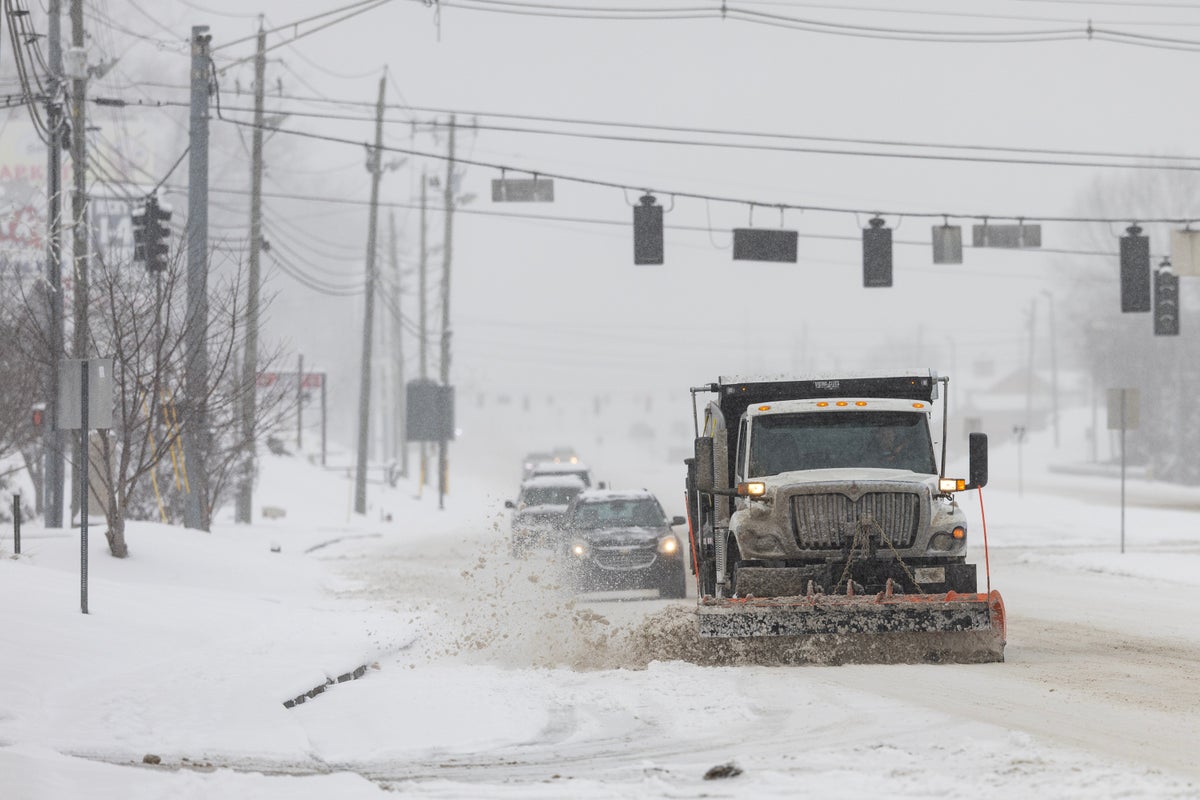
Navigating California Winter Storms: Understanding the Risks of Flooding, Winds, & Outages
California, renowned for its golden beaches and sun-drenched landscapes, undergoes a dramatic transformation during its winter storm season. From approximately November to March, the coastal and inland regions face powerful weather systems that bring a unique cocktail of hazards: torrential rainfall leading to widespread flooding, ferocious winds capable of felling trees and power lines, and the inevitable inconvenience and danger of electricity outages. Understanding and preparing for a california winter storm is not just about staying dry; it's about safeguarding lives, property, and community resilience against nature's raw power.
These dynamic weather events are far more than just a rainy day. They are complex phenomena driven by vast atmospheric rivers, capable of delivering immense amounts of moisture, particularly to the coastal stretch from San Francisco down to San Diego. Proactive preparation and a clear understanding of the risks are paramount for residents and visitors alike. This guide delves into the specifics of these storms, equipping you with the knowledge to navigate them safely and effectively.
The Anatomy of a California Winter Storm: Atmospheric Rivers & Seasonal Threats
The heart of a severe california winter storm often lies with what meteorologists call an atmospheric river. These are essentially long, narrow corridors in the atmosphere that transport concentrated plumes of water vapor from subtropical regions across the Pacific Ocean directly to the California coast. Imagine a river in the sky, carrying as much water as the Mississippi, funneling it onto a specific landmass. When these moisture-laden systems make landfall, they collide with California's topography, particularly the coastal mountains, leading to significant uplift and condensation, which translates into incredibly heavy and sustained rainfall.
The winter storm season typically spans from November to March, with the peak intensity usually observed between December and February. During this period, the active Pacific storm tracks align perfectly to steer low-pressure systems and these powerful atmospheric rivers towards the Golden State. While snow is a major concern in the Sierra Nevada and other high-elevation areas – as detailed in articles like California Braces for Major Winter Storm: Snow & Wind Warnings – the coastal and valley regions primarily grapple with rain, wind, and their cascading effects.
The sheer volume of precipitation from an atmospheric river can quickly overwhelm urban drainage systems, saturated soils, and even major rivers. Coupled with strong winds and coastal vulnerabilities, these storms present a multi-faceted threat that demands constant vigilance and informed decision-making.
Navigating the Core Dangers: Flooding, Winds, and Coastal Threats
Each california winter storm brings its own set of challenges, but three primary dangers consistently emerge: widespread flooding, destructive winds, and significant coastal impacts.
Flood Risks from Deluges
Heavy, prolonged rainfall is the hallmark of many California winter storms, leading to a variety of flood risks:
- Flash Flooding: Particularly in areas recently affected by wildfires, where barren hillsides cannot absorb water, flash floods can occur with terrifying speed and destructive force, carrying mud and debris.
- Urban Ponding: In cities and towns, even an inch of rain can quickly overwhelm storm drains, leading to standing water on roads, sidewalks, and low-lying properties. This "urban ponding" can impede traffic and damage infrastructure.
- River and Stream Flooding: Sustained rainfall can cause rivers and streams to swell beyond their banks, inundating adjacent lands and posing significant threats to communities built along waterways.
Perhaps one of the most insidious dangers is flooded roads. The National Weather Service (NWS) famously advises, "Turn Around, Don't Drown." This isn't just a catchy phrase; it's a life-saving directive. Even a few inches of flowing water can sweep a vehicle away, and submerged roadways can hide dangerous debris or structural damage. Always assume a flooded road is impassable and seek an alternate route.
The Force of High Winds
Winter storms are often accompanied by powerful winds, with gusts in some exposed areas exceeding 90 mph. These hurricane-force winds can cause significant damage:
- Downed Trees and Power Lines: Saturated soil makes trees more susceptible to being uprooted, and powerful gusts can snap branches or entire trunks. This is a primary cause of widespread power outages.
- Structural Damage: Loose objects, fences, and even roofs can be damaged by high winds.
- Driving Hazards: High-profile vehicles are particularly vulnerable to strong crosswinds, making driving dangerous.
When high winds are forecast, securing outdoor items like patio furniture, trash bins, and anything that could become a projectile is critical. Staying indoors and away from windows during peak wind events is also advisable.
Coastal Hazards
For coastal communities, winter storms bring additional, unique threats:
- High Surf: Powerful waves generated by distant storms or local winds can create dangerously large surf, making beaches and piers hazardous.
- Erosion: The combination of high surf and strong storm surges can accelerate coastal erosion, threatening beachfront properties and infrastructure.
- Sneaker Waves: Unpredictable, larger-than-average waves can appear without warning, capable of sweeping unsuspecting individuals off beaches, rocks, or jetties.
- Coastal Flooding: Extreme high tides combined with storm surge can lead to sea water spilling over dunes or seawalls, inundating coastal roads and properties.
During a california winter storm with coastal advisories, it is always safest to stay away from beaches, cliffs, and exposed coastal structures. The ocean's power during these events is immense and unforgiving.
Essential Preparation & Safety Measures for a California Winter Storm
Being prepared is your best defense against the unpredictable nature of winter storms. The guidelines issued by authorities like the National Weather Service (NWS) and the California Department of Transportation (Caltrans) emphasize proactive measures.
Proactive Home and Property Protection
- Secure Loose Objects: Before winds pick up, bring in or securely tie down anything outdoors that could blow away or become a projectile.
- Clear Drains and Gutters: Ensure rainwater can flow freely away from your home's foundation to prevent localized flooding.
- Emergency Kit: Assemble a comprehensive kit with essentials like non-perishable food and water for several days, a battery-powered radio, flashlights with extra batteries, a first-aid kit, critical medications, and chargers for electronic devices. Consider backup power options for essential medical equipment.
- Evacuation Plans: If you live in a flood-prone or erosion-vulnerable area, know your evacuation routes and have a designated meeting point for your family. Pack a "go-bag" with essentials.
Driving Safely in Inclement Weather
Driving during a california winter storm can be treacherous. Caltrans issues critical advice:
- Vehicle Checks: Ensure tires are properly inflated and have good tread. Have a full tank of gas in case of long delays or diversions.
- Carry Chains: If traveling to mountain areas, always carry tire chains and know how to install them, even if chain controls aren't immediately active.
- Reduce Speed & Increase Distance: Wet roads significantly increase stopping distances. Drive slowly and maintain ample space between your vehicle and others.
- Avoid Flooded Roads: As reiterated, never drive through standing water. Even if it looks shallow, it can be deceptively deep or hide hazards.
- Stay Informed on Road Conditions: Utilize resources like Caltrans QuickMap for real-time updates on road closures, incidents, and chain requirements.
Battling Potential Power Outages
Power outages are a common consequence of strong winds and heavy rain downing power lines. Preparing for them is crucial:
- Charge Devices: Ensure all mobile phones, laptops, and power banks are fully charged before the storm hits.
- Backup Lighting: Have flashlights, battery-powered lanterns, and plenty of fresh batteries readily available. Avoid using candles as they pose a fire risk.
- Generator Safety: If you have a generator, operate it outdoors in a well-ventilated area, far from windows and doors, to prevent carbon monoxide poisoning.
- Food Safety: Keep refrigerator and freezer doors closed as much as possible to preserve food. Have non-perishable food items on hand.
- Stay Away from Downed Lines: Always assume a downed power line is live and extremely dangerous. Report it to your utility company immediately and maintain a safe distance. Avoid flooded areas where downed lines may be submerged.
For more detailed safety measures and comprehensive checklists, refer to resources like Coastal California Winter Storm: Essential Safety Precautions.
Staying Informed and Responding to Warnings
The most powerful tool in navigating a california winter storm is accurate and timely information. Authoritative sources like the National Weather Service (NWS) issue various alerts to communicate imminent hazards:
- Flood Watches: Indicate that conditions are favorable for flooding.
- Flood Warnings: Mean flooding is occurring or is imminent.
- High Wind Warnings: Issued when widespread destructive winds are expected.
- Coastal Flood Warnings: Signal that sea water spillage or significant coastal flooding is likely.
- Winter Storm Warnings: For higher elevations, these indicate significant snow and strong winds are expected, impacting travel and daily life.
Monitor local news, weather radio, and official NWS channels for the latest updates. Do not rely solely on social media or unofficial sources. Being aware of these warnings allows you to make informed decisions about travel, property protection, and personal safety, ensuring you can react appropriately as the storm unfolds.
Staying connected to these official channels ensures you're prepared for any changes in weather patterns or emergency advisories, helping you and your loved ones stay safe.
Conclusion
California's winter storms, driven by atmospheric rivers and powerful Pacific systems, present a formidable challenge with their combined threats of flooding, high winds, and power outages. While their intensity can be daunting, understanding the underlying mechanisms and adhering to comprehensive safety precautions can significantly mitigate risks. By taking proactive steps to prepare your home, planning for safe travel, assembling emergency kits, and diligently monitoring official weather alerts, you empower yourself and your community to navigate these dynamic weather events with greater confidence. Remember, awareness and preparedness are your strongest allies in safeguarding lives and property when the next powerful california winter storm inevitably rolls in.